
Sometimes when your car refuses to start, the problem seems obvious. But in many cases, it’s not so simple. If you turn the key and hear a clicking sound, or notice flickering lights, your first thought might be that the battery is dead.
But it could also be the alternator.
The confusion happens because these two components work closely together. Your battery provides the power to start the car, while the alternator recharges the battery and powers the electrical system while the engine is running. When one fails, the symptoms can look very similar.
Fortunately, there are ways to tell the difference.
How to Know if Your Battery Is Dead
A flat or failing battery is one of the most common causes of vehicle breakdowns. Some of the typical signs include:
• The engine cranks slowly or only makes a clicking sound when you try to start it.
• The car starts after a jump start, but fails again once it is turned off.
• Electrical accessories such as the radio, headlights, or power windows appear weak or do not work properly.
• The battery warning light may not appear if the battery is drained.
If your car runs normally after a jump start and does not stall, the problem is most likely the battery.
How to Know if Your Alternator Is Faulty
The alternator’s job is to keep the battery charged while the engine is running. When it fails, the car may start but quickly lose power.
Common signs of alternator failure include:
• The car starts but stalls shortly after.
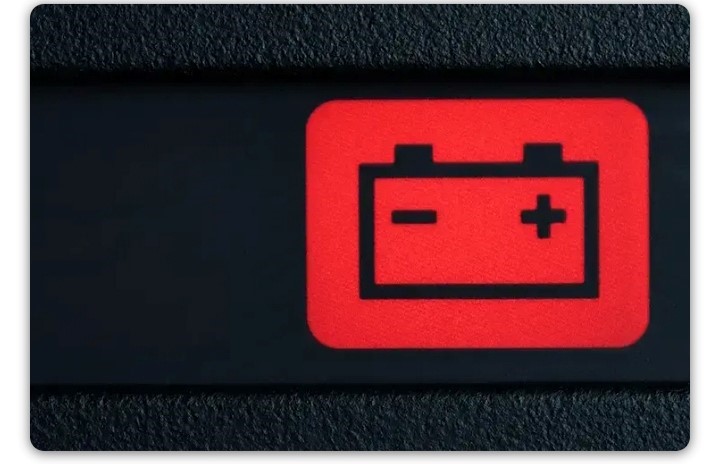
• The battery or ALT warning light remains on while driving.
• Headlights or dashboard lights become dim or flicker, especially when engine speed changes.
• A burning rubber or electrical smell, which may indicate a belt or wiring problem.
• Unusual whining or grinding noises coming from the alternator area.
If you jump-start the vehicle and the engine dies again shortly after, the alternator is likely the problem.
Quick DIY Tests to Identify the Problem
If you suspect either the battery or the alternator, there are a few quick checks you can try.
1. The Jump-Start Test
Start the vehicle using jumper cables.
• If the car continues running normally, the issue is likely the battery.
• If the car stalls shortly afterwards, the alternator may not be charging the battery.
2. The Headlight Test
With the car running:
Turn on the headlights.
Rev the engine slightly.
• If the headlights become brighter, the alternator is working.
• If they remain dim or flicker, the alternator may be failing.
3. The Battery Voltage Test
Using a multimeter:
• Engine off: The battery should read around 12.6 volts.
• Engine running: It should read between 13.8 and 14.4 volts if the alternator is charging correctly.
• Below 13 volts while running: This usually indicates an alternator problem.
Quick Summary
If the engine will not start or only clicks, the problem is usually the battery. If the engine starts but soon stalls, or the lights flicker, the alternator may be failing.
Why the Symptoms Can Be Confusing
The reason these issues often look the same is that the two systems depend on each other. A failing alternator drains the battery, making it appear as though the battery is the problem. At the same time, a dead battery prevents the alternator from working properly, which can create similar symptoms.
How to Fix These Problems
If the Problem Is the Battery. A jump-start may get you moving temporarily, but the issue may recur if the battery is weak.
Other possible solutions include:
• Recharging the battery if it was simply drained (for example, if lights were left on).
• Replacing the battery if it is old, typically 3–5 years or older, or if it cannot hold a proper charge.
If the Problem Is the Alternator
In most cases, the alternator will need to be repaired or replaced. Alternators usually last 7 to 10 years, but they eventually wear out.
Other possible causes include:
• A loose or worn alternator belt is preventing proper charging.
• Corroded wiring or loose electrical connections.
• Blown fuses or damaged cables.
If you are unsure, it is best to have the vehicle inspected by a qualified mechanic.
Final Advice for Drivers
Electrical problems are one of the most common reasons drivers get stranded unexpectedly. Knowing the difference between a battery issue and an alternator problem can help you react quickly and avoid unnecessary stress. Regular vehicle checks and early attention to warning signs can save you from unexpected breakdowns and costly repairs.
The truth is:
Many drivers only realise the problem when they are already stranded on the roadside.
Rain…
Night driving…
Or being stuck far from help.
That’s why smart drivers across Zimbabwe make sure they have 24/7 roadside assistance ready before the emergency happens. Because when a breakdown happens, what matters most is who you can call for help.
✔ Flat battery
✔ Alternator problems
✔ Jump starts
✔ Breakdowns
✔ Towing & recovery
We are ready 24 hours a day, 7 days a week to get you safely back on the road. Don’t wait until you’re stranded. Join https://drivezim.co.zw/ the thousands of Zimbabwe drivers who choose professional roadside rescue when it matters most. Stay safe on the roads today. And remember… The best drivers prepare for the breakdown before it happens.