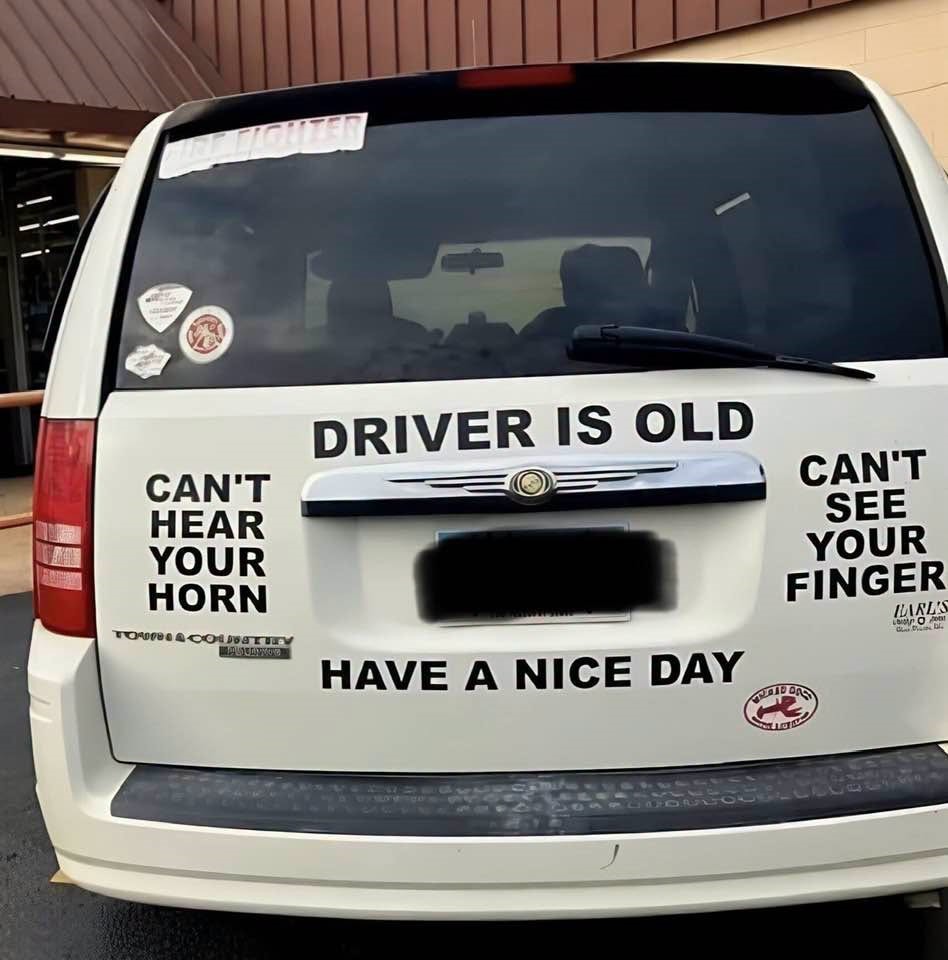
Road Safety Advice for Our Elderly Road Users
Our elderly road users deserve our care, patience and respect. As we grow older, changes in mobility, vision, reaction time and judgement can affect how we interact with traffic. At the same time, today’s roads are becoming increasingly busy and complex. Let us all play our part in keeping our older family members, friends and neighbours safe.
Advice for Older Pedestrians
Many crashes involving older pedestrians happen during everyday journeys often close to home, at shopping centres or recreational areas.
Some common risk situations include:
– Crossing busy or complex roads, particularly at intersections without traffic signals.
– Reduced agility, making it more difficult to move quickly out of the path of an approaching vehicle.
– Crossing between parked vehicles where visibility is limited.
– Vehicles reversing, particularly in busy parking areas.
– Misjudging a vehicle’s speed, direction or whether it is actually moving.
– Assuming that a driver has seen them or will stop.
Simple safety measures can make a big difference:
– Be aware of your physical limitations and give yourself plenty of time.
– Plan your journeys and, where possible, avoid peak traffic periods.
– Cross at designated pedestrian crossings whenever possible.
– Choose places where you have a clear view of approaching traffic.
– Avoid distractions such as mobile phones or engaging conversations while crossing.
– Take extra care when crossing between parked vehicles.
– Make sure drivers can see you. Wearing bright or reflective clothing can help, particularly in poor visibility.
Advice for Older Drivers
Driving can remain a safe and enjoyable activity as we age, but it is important to recognise that our roads and traffic conditions change.
– Be aware that traffic volumes, congestion and the number of heavy vehicles on our roads have increased.
– Take extra care at night and during bad weather. If possible, avoid driving in difficult conditions.
– Plan your journey and route before setting off. Good preparation can reduce stress and help you concentrate on driving.
– Recognise the effects of tiredness and drowsiness. Long journeys can be exhausting, so take regular breaks.
– Speak to your doctor or pharmacist about any prescribed or over-the-counter medicines you take. Some medications can affect alertness, vision, coordination or reaction time.
– Allow yourself extra time. There is no need to rush; arriving safely is what matters most.
– If you ever feel that your driving ability has changed, have an honest conversation with your doctor, family member or a qualified driving professional.
Let’s Look Out for Our Elderly Road Users. Road safety is a shared responsibility. As motorists, slow down, be patient and give older pedestrians and drivers the time they need. As family members and friends, let us support our elderly loved ones without taking away their independence and dignity. A little patience can prevent a tragedy. Let us not neglect our elderly road users. Let us listen to their needs, support them and work together to make our roads safer for everyone. Drive safely. Look out for one another. Join today. Our membership: Be prepared. Drive with confidence. Drive with certainty. 🌐 Membership & Details:
https://drivezim.co.zw/